
A paring knife for fruit prep is worth considering when the job is small, deliberate and specific. Preparing apple pieces for a dessert or a few pear portions for a salad is different from repeatedly slicing a larger quantity. Keep the work on a suitable board and choose a blade for the actual task you want to add.
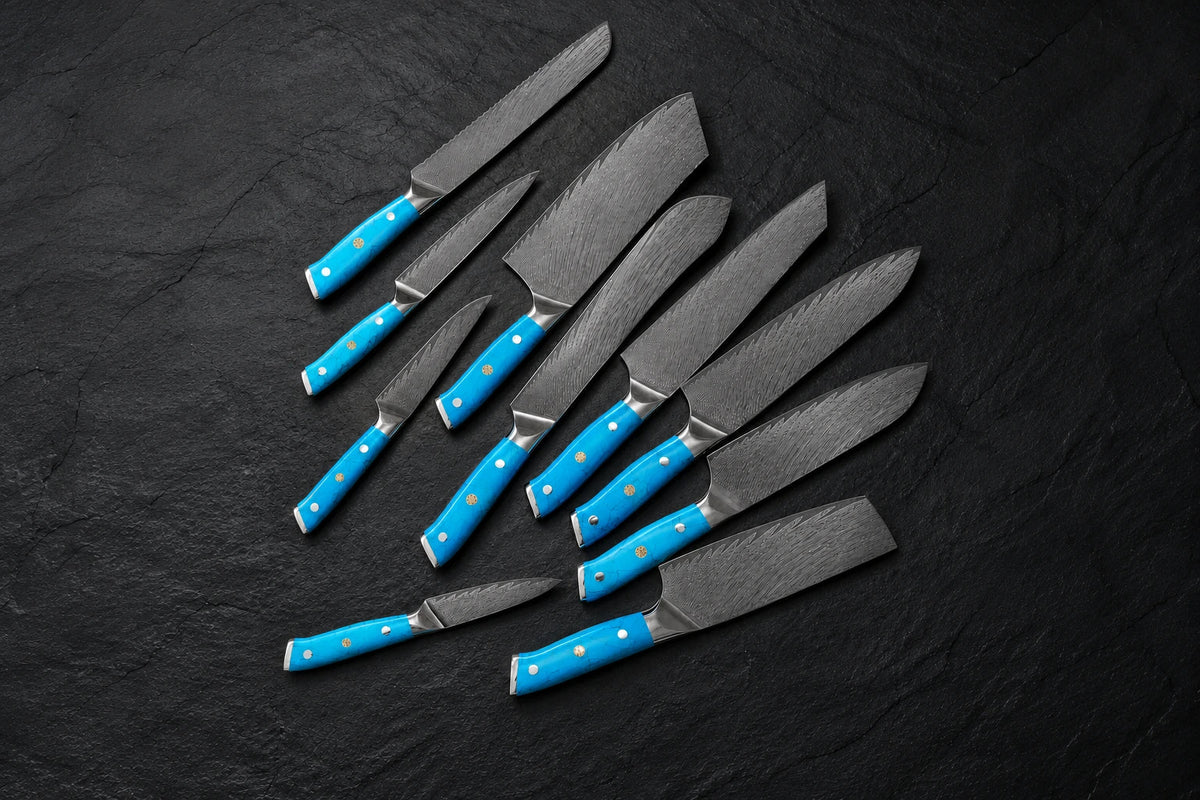
The Lagoon Damascus Series lists a 3.5 Inch Paring option. That is one selectable knife within a range that also includes utility, chef and other profiles; the series title itself does not mean a single blade or a complete set.
Give the smaller job a name
Before selecting a paring option, describe what remains to be done to the fruit. Is it modest trimming, making smaller portions or preparing a few decorative pieces? The more clearly you define the detail task, the easier it becomes to judge whether a short preparation role adds something useful.
A recipe using apples or pears may include both larger portioning and smaller finishing work. These do not need to be treated as one job. Think about the sequence before setting out tools, so a knife selected for a detail role is not automatically expected to handle every stage.
For example, a small fruit accompaniment could require only a few pieces. A larger pudding might involve repeated slicing across several fruits. The quantities change the preparation routine, even where the ingredient list looks almost the same.
Compare the role before the finish
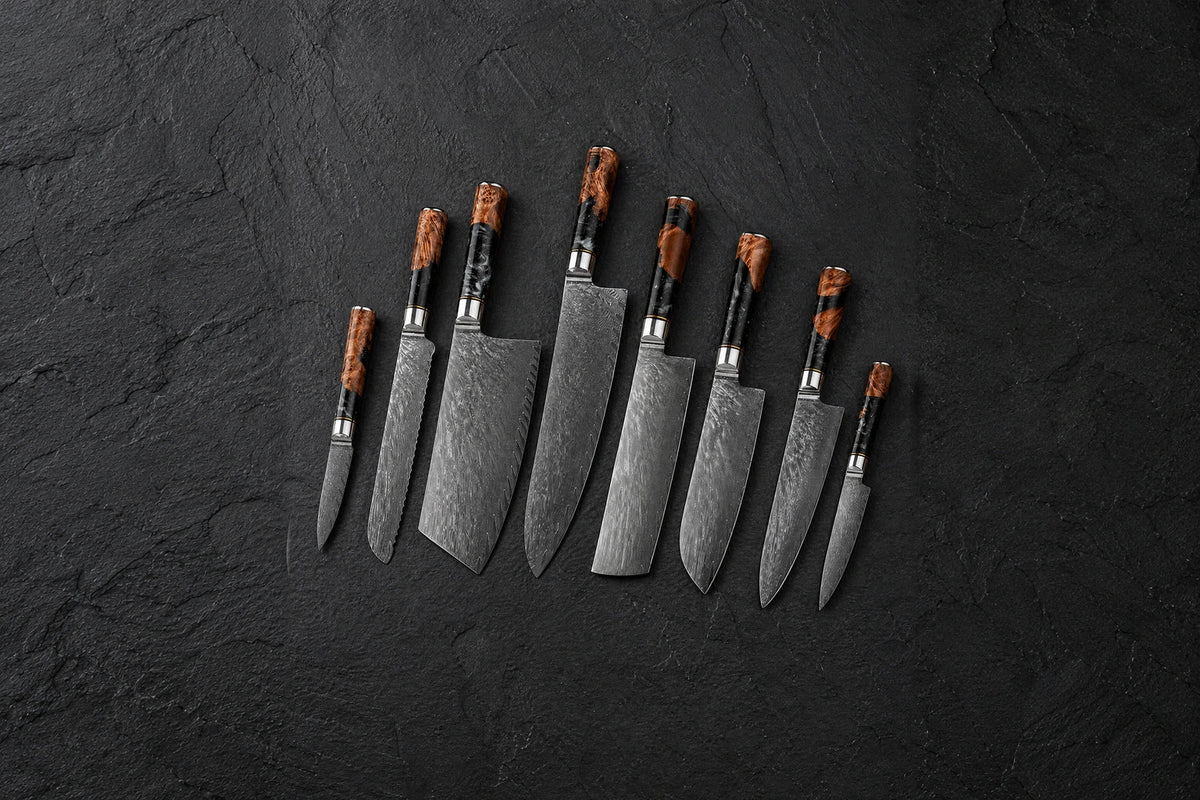
Lagoon's 3.5 Inch Paring option provides a concrete starting point. If the short role is what you need, compare it with another named option rather than with an entire range. The Timber Series also includes a 3.5 inch Paring option.
Their handle materials give a different visual presentation: Lagoon lists a stabilised turquoise stone handle, while Timber lists maple burl wood and composite resin. You can choose the finish you prefer once the preparation role is settled. Material names alone do not establish a personal grip preference or a better result.
It can also help to distinguish this choice from a utility role. A slightly larger board-based preparation task may lead you towards a utility option instead. The earlier guide to utility and paring knives keeps that comparison focused on what the smaller knife is for.
Allow the board to support the task
Even modest fruit preparation needs a clear working area. Arrange the fruit, the intended receiving dish and the knife so finished pieces do not occupy the space required for the next cut. A shorter blade does not remove the need for a stable, manageable preparation setup.
Keep the task board-based rather than choosing a knife to follow an unfamiliar in-hand demonstration. If your recipe needs a preparation method you have not used before, learn that method from appropriate guidance instead of treating the knife purchase as the missing instruction.
Choose for repeated small jobs
A useful paring option should have a place beyond one dessert. Consider the smaller jobs that recur in your kitchen and whether the knife you already own handles them comfortably. If the gap is real, a defined detail role can be a purposeful addition.
Explore the KIRU Knife Series by profile, then select the exact paring option on the product page. The strongest reason to add a smaller blade is a clear preparation need, with a place to use and store it afterwards.

Leave a comment
This site is protected by hCaptcha and the hCaptcha Privacy Policy and Terms of Service apply.